Ad Hoc Digital

Florida Bar rules

What are the Florida Bar's advertising rules for law firms?

Filing 20 days before first use, the $250 fee, what's exempt, the content rules on results, specialists and fees, and how they apply to Google and Meta ads.

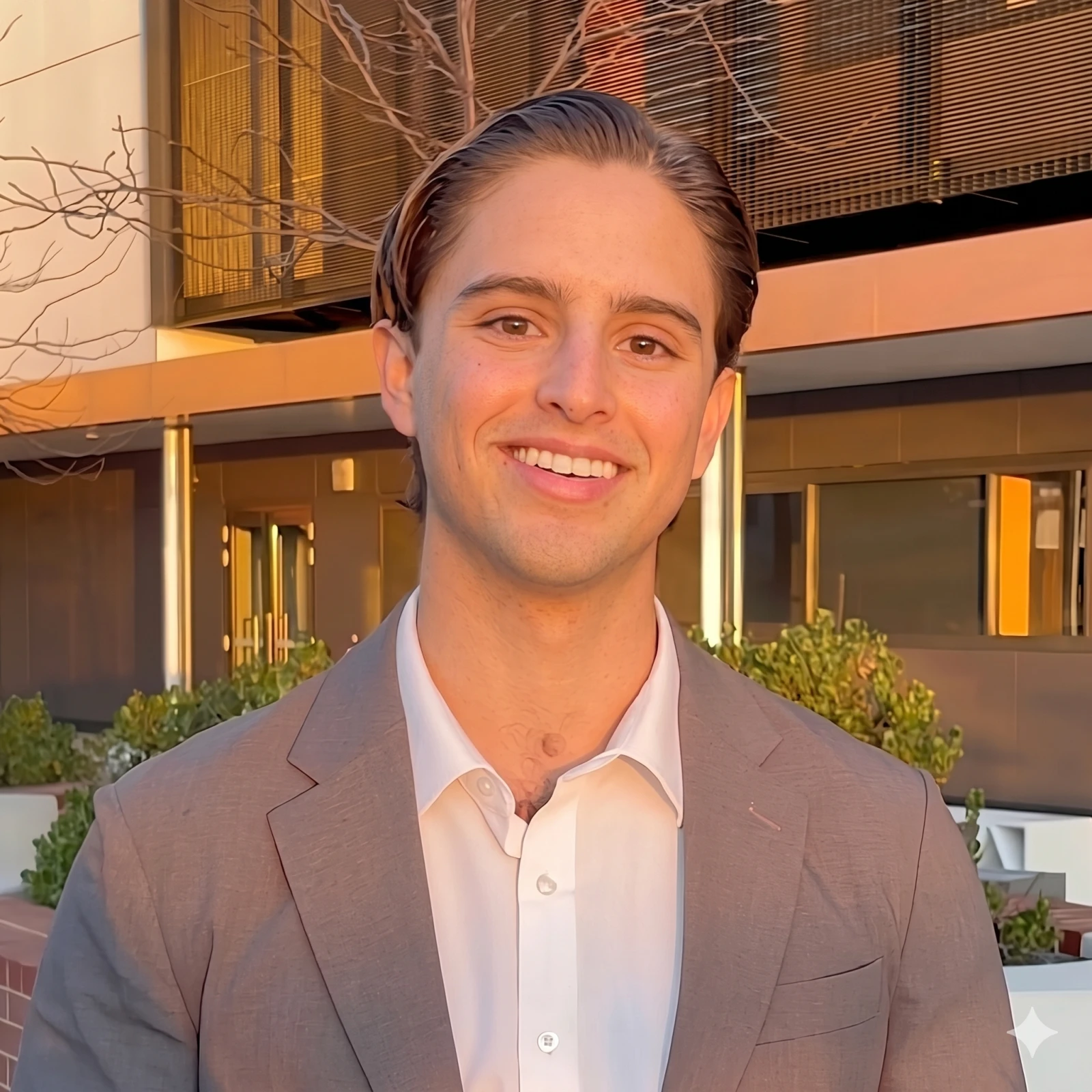
Santiago Alvarez

By , Founder, Ad Hoc Digital
Last updated

The short answer

If you read one part of this page, read this.

Florida's lawyer advertising rules are long and unusually specific. Rules 4-7.11 to 4-7.22 apply to every lawyer advertising for Florida work or aiming ads at Florida residents, in every medium including websites and social media. Each ad names a responsible lawyer or firm and the city, town or county of a real office, and any ad that isn't exempt is filed with the Bar at least 20 days before it first runs.

The Bar's July 2026 forms set the fee at $250 per ad, or $750 if it's late. The firm's own website and its own social media pages don't have to be filed, but they still follow the content rules, and boosted or sponsored posts are filed unless they hold only the basic information in Rule 4-7.16.

We run ads for Florida firms, and Florida is where our pre-launch checks are longest. This is a plain summary for marketing planning, not legal advice. Check the current rule with your bar or law society. We work with law firms across the US and Canada, and also in Australia and the UK.

What every ad needs

Every Florida ad names a responsible lawyer or firm and a real office location.

Rule 4-7.12 sets the content every ad must carry. It applies to lawyers outside Florida too when they advertise Florida services or aim ads at Florida residents (Rule 4-7.11(b)).

Name and office city, county or town

Rule 4-7.12(a) requires the name of at least one lawyer or the firm responsible for the ad, and the city, town or county of one or more bona fide offices of the lawyer who will do the work. The comment defines a bona fide office as a place where the firm expects to provide legal services in a substantial way on a regular basis, so a virtual mailbox doesn't count. A firm may say it is "available by appointment" somewhere it has no office, if that's true.

Referral statement

If the firm knows it will refer some cases from an ad to another lawyer, the ad must say so (4-7.12(b)). The comment's example is "Your case may be referred to another lawyer."

Every language in the ad

Required words and disclaimers must appear in each language the ad uses (4-7.12(c)). A Spanish-language Meta ad for an immigration practice carries its required statements in Spanish, and a bilingual ad carries them in both.

Clear and conspicuous

Required information must be noticed by a reasonable person (4-7.12(d)). The comment treats a disclaimer as conspicuous when it's in the same or larger text and sits right next to the words it qualifies.

Filing

Non-exempt ads are filed 20 days before first use, with a fee per ad.

Rule 4-7.19(a) requires filing at least 20 days before the ad first runs. Rule 4-7.20 lists what's exempt, and the Bar's handbook explains how the exemptions apply online.

What a Florida firm files, from the Florida Bar's handbook (December 2025) and July 2026 cover sheets
MarketingFiled with the Bar?Where it comes from
The firm's own websiteNo, but the content rules still applyRule 4-7.20(g)
The firm's own Facebook, YouTube or LinkedIn pageNoStanding Committee on Advertising guidelines, in the handbook
Paid, boosted or sponsored social postsYes, unless limited to Rule 4-7.16 contentHandbook, social media and video sharing
Internet banner adsYes, on the still images cover sheetJuly 2026 cover sheet
Social posts targeted at people who self-identified a legal problemYes, and they follow the direct contact rules in 4-7.18(b)Board of Governors decision, January 31, 2020
Direct mail, email and texts to prospectsYes, unless sent only to clients, former clients, family, lawyers or people who askedRule 4-7.20(d) and (e)
An ad with only basic 4-7.16 facts (a "tombstone" ad)NoRule 4-7.20(a)
What a Florida firm files, from the Florida Bar's handbook (December 2025) and July 2026 cover sheets Paid search ads aren't on the exemption list. Our reading is that a Google search ad with anything beyond 4-7.16 content is filed like any other paid ad; the handbook confirms paid search results follow the advertising rules.
Fee and timing

The July 2026 cover sheets charge $250 per ad filed at least 20 days before first use, and $750 per ad filed late. A preliminary opinion on a draft or script costs $250 and doesn't replace filing the final ad. From July 2026, filings may go through the Florida Bar Member Portal as well as by mail.

The 15-day safe harbor

Under Rule 4-7.19(b), if the Bar sends nothing within 15 days of a complete filing, the lawyer isn't subject to discipline for running the ad, unless the Bar later finds a problem and the ad keeps running after that notice.

Changes make a new ad

The handbook records the Board of Governors' policy that any change other than a fix the Bar asked for makes the ad a new ad with a new fee, including wording, images, layout or color. Fixes to cited problems can be resubmitted without a new fee.

Keep copies for three years

Rule 4-7.19(j) requires keeping a copy of each ad for 3 years after it last ran, with a record of when and where it was used.

What ads may say

Florida asks whether a claim is objectively verifiable, not just whether it's true.

Rules 4-7.13 and 4-7.14 list what's inherently or potentially misleading. The comments give unusually concrete examples, which is why Florida copy is easier to check than most states'.

Florida content rules that decide most ad copy
TopicFlorida's ruleExample from the rule or comment
PredictionsNo statement a prospect could read as a prediction of success (4-7.13(b)(1))"I will get you money for your injuries" fails; "I will pursue an acquittal" passes
Past resultsOnly if objectively verifiable, and not misleading in context (4-7.13(b)(2))Acquittals on all charges in 4 criminal cases is verifiable; "I have won numerous appellate cases" may not be
Comparisons and skill claimsOnly if objectively verifiable (4-7.13(b)(3))"The best" and "second to none" generally fail; a true, checkable "largest firm in this city" claim can pass
Personal traitsAllowed; they don't characterize skill or record"Aggressive", "honest" or "trustworthy" are permitted in Florida
Specialist or expertOnly if certified under an approved plan, or objectively verifiable from education, training, experience or substantial involvement (4-7.14(a)(5))A firm claim needs a disclaimer if not every lawyer qualifies (4-7.14(a)(6))
Board certifiedOnly with the area and the certifying organization named (4-7.14(a)(4))A firm can't be certified; only a lawyer can
FeesAny fee claim, including no fee without recovery, discloses all fees and costs the client might owe (4-7.14(a)(7))"No Fee if No Recovery, but Client is Responsible for Costs"
Awards and ratingsBona fide awards using the award's real name and the date given (4-7.14 comment)"Named a 2008 Florida Super Lawyer by Super Lawyers Magazine"
Florida content rules that decide most ad copy

The personal traits row is a good example of why one state's rules don't travel. Florida permits "aggressive" as a trait. Ontario's commentary lists suggesting a lawyer is aggressive as marketing that may break its rule. Our Ontario guide and the rules hub show the other differences.

Testimonials, actors and images

Testimonials, actors, celebrities and emotional images each have their own Florida rule.

Florida spells out what most states leave to the general misleading standard. If a video or image ad features people, check these before filming.

  • Testimonials (4-7.13(b)(9)): the person must be qualified to judge what they praise, describe their own experience, reflect what the firm's clients generally experience, not have had it written by the lawyer, not have been given anything of value, and include the disclaimer that the viewer may not get the same or similar results.
  • Actors and non-employees (4-7.13(b)(5) to (7)): a disclaimer when someone appears to be the lawyer or staff but isn't, when an event is dramatized, and when an actor plays a profession.
  • Authority figures and celebrities (4-7.15(b), (c)): no judge, police officer or actor playing one to endorse the lawyer, and no celebrity voice or image beyond the narrow exceptions.
  • Unduly manipulative content (4-7.15(a)): the comment allows a photo of a damaged car to show the firm handles accident cases, but not a dramatized crash with graphic injuries or a child taken from a crying mother.

Our testimonials guide compares Florida's conditions with other jurisdictions, and our Facebook ad creative guide covers how we film within them.

Google and Meta ads

Florida has rules written with search ads and boosted posts in mind.

Two Florida provisions matter more online than anywhere else: the competitor-name rule for search ads and the targeted social media rule for paid posts.

Bidding on another firm's name

Rule 4-7.13(b)(12) bars implying a connection with another lawyer or firm, including contact information that leads someone searching for that firm to contact a different one. The comment says an ad triggered by another firm's name is not misleading if the first text shown is the advertising firm's name, or the responsible lawyer's name when the firm uses a trade name without one.

Name and city in every search ad

Google rotates headlines and descriptions, so a name that appears in only one of fifteen headlines isn't in every ad. When we build for a Florida firm, one description carries the lawyer's or firm's name and the office city and is pinned to description position 1, which Google says always shows. Headline 1 stays free for the words people searched.

Targeted social posts

The handbook says a paid post shown only to people who self-identified characteristics of a specific legal need must follow the direct contact rules in 4-7.18(b) and be filed. Broad local targeting is ordinary paid advertising; audience targeting that singles out people with a legal problem is treated like direct mail.

Direct contact and lead vendors

Florida bans live solicitation, delays injury-related written contact 30 days, and regulates lead vendors.

Rule 4-7.18 covers contact with specific people. Rule 4-7.22 covers directories, matching services and lead generators, which Florida calls qualifying providers.

No live solicitation

Rule 4-7.18(a) bars soliciting in person, by phone or by real-time video with someone who has no family or prior professional relationship with the lawyer, when money is a significant motive.

The 30-day rule

Rule 4-7.18(b)(1)(A) bars written communication about personal injury, wrongful death, or an accident or disaster involving the recipient or a relative unless it happened more than 30 days earlier. Permitted written communications are marked "advertisement", and an email's subject line must begin with that word.

Lead vendors are qualifying providers

Any business paid for referring or matching prospects, including tips and leads, must meet Rule 4-7.22(d): no fee splitting (other than Bar-approved referral services), at least 4 participating firms, an annual list of participating lawyers sent to the Bar, and no implying it's a law firm or Bar-approved. The lawyer must report participating to the Bar. Our paying for leads guide covers this in other states.

A worked example

A hypothetical Florida launch, planned around the filing clock.

This is an illustration with invented dates and ads, not a result.

What we do for Florida firms

Our Florida checklist runs before any ad goes to the lawyer for approval.

In our client work, Florida launches need more lead time, because the 20-day clock starts only once the ads are final. These are the checks we run, in order.

  1. Read the firm's facts from source

    Office city, the lawyer's name, any board certification and its exact wording come from the firm, never from a guess.

  2. Write without the claims Florida asks to verify

    No results, "expert", ratings or awards in the ad. Where a result belongs, it goes on the landing page with the facts behind it and the firm's consent.

  3. Check fee wording against 4-7.14(a)(7)

    "No Recovery, No Fees or Costs" runs only if the client truly pays no costs. Otherwise the costs wording goes in, or the fee claim comes out.

  4. Pin the name and office city

    One description with both, pinned to position 1, in every language the ad uses.

  5. List the filing before launch

    The review page shows which ads must be filed and the date they're due. The lawyer approves every ad before it runs.

It's slower, and it works. We launched one Florida immigration firm that signed 11 cases in its first month on the same playbook, and we write the Meta ads and Google Ads for Florida firms with this checklist every time.

Common mistakes

Where firms go wrong.

Florida mistakes we see in accounts firms bring to us.

  1. Boosting a post without filing it

    The firm's page is exempt; money behind a post usually isn't. A boosted video with anything beyond 4-7.16 content is filed first.

  2. Editing live ads one line at a time

    Each change is a new ad with a new fee under the Board's policy. Batch edits and file them together.

  3. "No fee unless we win" on its own

    Florida wants every fee and cost the client might owe disclosed with the fee claim. Use the wording the comment approves, or leave it out.

  4. Calling the firm "expert" because one lawyer is

    A firm claim needs at least one qualifying lawyer and a disclaimer when not all of them qualify.

  5. Forgetting the Spanish half

    Required statements appear in every language the ad uses, so an English-only disclaimer under Spanish copy doesn't meet 4-7.12(c).

Real results

What this looked like for real firms.

A Florida immigration firm launched on the same checklist, and a personal injury result from Facebook and Instagram ads (the story doesn't name the state).

FAQ

Questions lawyers ask us.

Straight answers to the questions that come up most.

Do Florida lawyers have to file Google ads with the Bar?

Paid search isn't on Rule 4-7.20's exemption list, and the handbook says paid search results follow the advertising rules. Our reading is that a search ad with anything beyond basic 4-7.16 information is filed at least 20 days before first use. Ask the Bar's ethics and advertising department if you're unsure about a specific ad.

How much does it cost to file an ad with the Florida Bar?

The Bar's July 2026 cover sheets charge $250 per ad filed at least 20 days before first use and $750 per ad filed late. A preliminary opinion on a draft costs $250 and doesn't replace filing the final version.

Does my law firm website have to be filed in Florida?

No. Rule 4-7.20(g) exempts information on the firm's website, but the content rules still apply. You may file a specific page or statement for an advisory opinion, but not the whole site.

Can Florida lawyers use client testimonials?

Yes, if the testimonial meets every condition in Rule 4-7.13(b)(9): the person is qualified to judge it, it's their real experience, it's typical, the lawyer didn't write it, nothing of value was given, and it carries the disclaimer that others may not get the same results. Our testimonials guide compares other states.

Can a Florida lawyer call themselves a specialist?

Only if certified under the Florida plan or an accredited program, or if the claim can be objectively verified from education, training, experience or substantial involvement in that area. "Board certified" needs the area and certifying body named. Concentrates in, focuses on and limits practice to are fine when true.

Does Florida's 30-day rule apply to Facebook ads?

It applies to written communications to specific people, including targeted social media aimed at people who self-identified a legal need. Broad ads to a local audience aren't direct contact. Our social media rules guide covers DMs and targeting.

Can you run our Florida filings into the launch plan?

Yes. For Florida firms we finish copy early enough to file 20 days ahead and list every filing on the review page before the lawyer approves. Schedule a consultation and we'll walk through your current ads.

Santiago Alvarez

Written by

Santiago Alvarez

Founder of Ad Hoc Digital. Leads strategy and works directly with every client firm on AI search, Local Services Ads, Google Ads and Meta ads.

More about Santiago

Want a second pair of eyes on this?

Book a free 30-minute call. Tell us how cases come in today, and we'll tell you straight what we'd change, and whether we can help.