Consultation show rate
How can a law firm get more booked consultations to show up?
Most no-shows are decided before the consultation, not on the day. Book soon, confirm at once, remind twice, tell them what to bring, and rebook the ones who miss it.
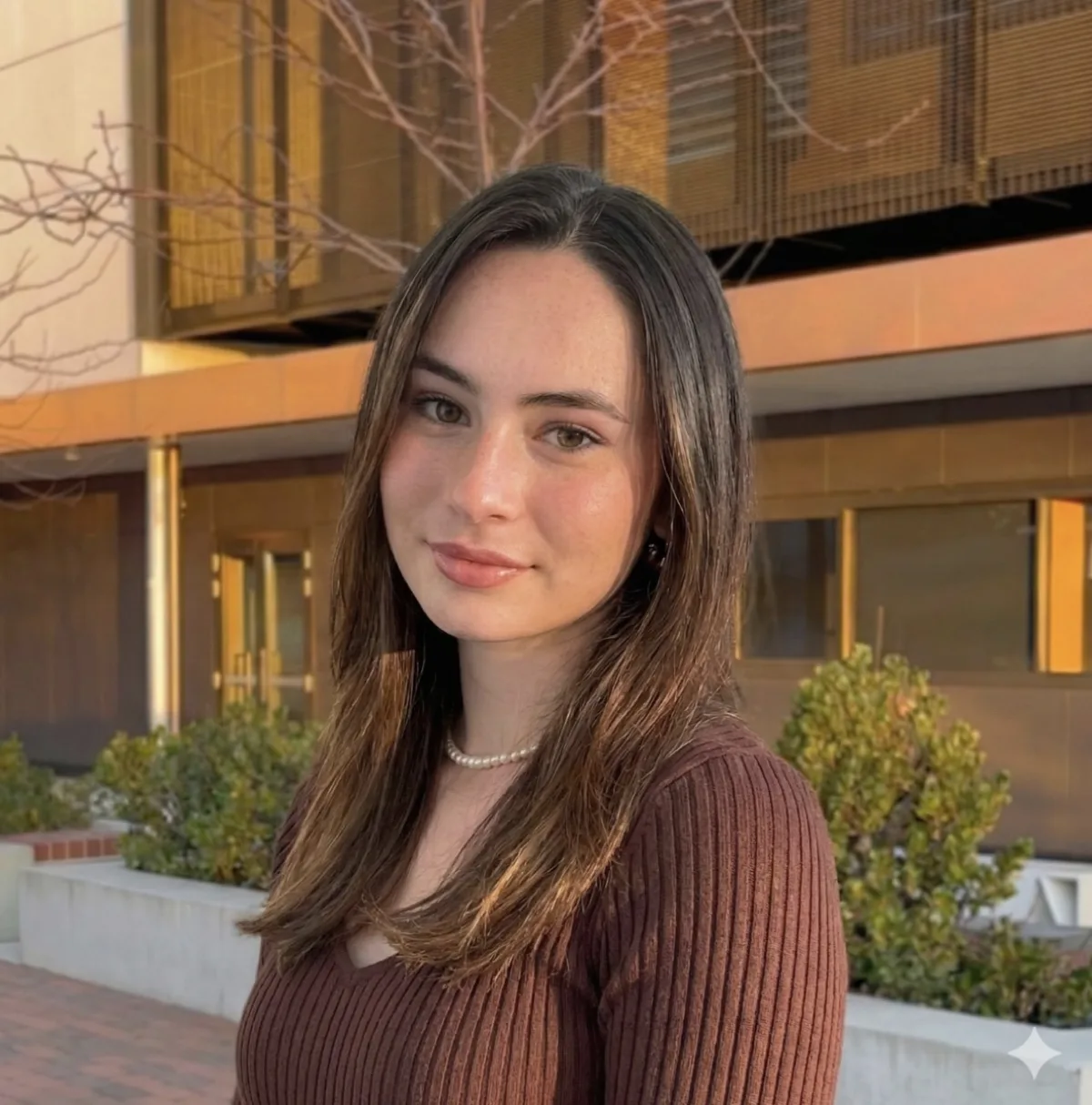
By Charlotte Thompson, Co-Founder, Ad Hoc Digital
Last updated
The short answer
If you read one part of this page, read this.
Book the consultation as soon as possible, confirm it instantly by text and email, remind people the day before and an hour before, tell them exactly what to expect and bring, and follow up within the hour with anyone who doesn't show.
Show rate is the share of booked consultations that actually happen. It's one of the four numbers we track for every client firm, because a lead who booked and didn't show cost the same to get as one who signed.
Charlotte sets up booking, reminders and reschedule follow-up for client firms through our intake and follow-up systems. We work with law firms across the US and Canada, and also in Australia and the UK.
Why people don't show
Most no-shows come from distance in time, uncertainty and second thoughts.
When we look at a firm's missed consultations, the same few causes come up. Each one has a fix that happens before the appointment.
| Reason | What's happening | The fix |
|---|---|---|
| Booked too far out | Things change, or another firm saw them sooner | Offer the soonest slot, same day or next where possible |
| Forgot | No reminder, or one that got lost | Instant confirmation plus reminders the day before and an hour before |
| Unsure what it involves | Worried about cost, time or being pressured | Tell them what the consult covers, how long it takes, and how fees are explained |
| Couldn't find you or the link | Wrong address, no parking info, broken video link | Send the address or link, and what to do if they're running late |
| Got cold feet | Embarrassment, family pressure, money | A personal confirmation call from the firm, not just automated messages |
| Hired someone else | A faster firm got there first | Speed to lead and booking quickly |
The setup
Seven steps from the booking to the chair.
This is the sequence we build for client firms. Most of it runs on its own once the CRM stage is set; the personal call is the part that stays human.
Book on the first call
The person who reaches the lead books the consult on that call, into a real calendar, not "someone will call you to schedule". Our guide to speed to lead covers getting that call to happen in minutes.
Offer the soonest slot
Every day between booking and consult is a day for plans to change. Hold a few short slots each day for new consultations if you can.
Confirm instantly
A text and an email the moment it's booked: date, time, place or video link, who they'll meet, and how to reschedule.
Tell them what to expect and bring
How long it takes, what the lawyer will cover, which documents help (court papers, a police report, a will). People who know what's coming are more likely to come.
Remind twice
The day before and about an hour before. Each reminder includes a one-tap way to reschedule, because a reschedule is far better than a no-show.
Make a personal confirmation call for high-value matters
For practices where one case is worth a lot, a short call the day before from the firm settles nerves that a text can't.
Follow up within the hour if they miss it
Call, then text: "We missed you today, want to find another time?" Most no-shows aren't refusals. The CRM moves them into the reschedule follow-up, not into the lost column.
Free or paid
Whether you charge for the consult changes who books, and how to talk about it.
Free consultations bring more bookings and more no-shows. Paid ones bring fewer, more committed bookings. Neither is right for every practice.
- Free consultations
Common in personal injury and many criminal and family practices. Expect to work harder on reminders and confirmation calls, and keep the slots short.
- Paid consultations
Common in immigration, estate planning and business law. Payment at booking tends to filter out casual bookings. Be clear about the fee and what it covers before they book.
- Be clear about fees either way
ABA Model Rule 1.5(b) expects the scope of the representation and the basis of the fee to be communicated, preferably in writing. Explaining up front how fees are discussed at the consult removes one of the main reasons people don't come.
In your ads and on your site, describe the consultation the way it actually works. Our guide to what law firm ads may say covers wording like "free consultation" under the rules.
The messages
Reminders are service messages, and they still need care.
A reminder about an appointment someone booked is different from marketing, but the same habits apply: identify the firm, keep details discreet, and honor "stop".
- Name the firm in every message; the person may have booked with several.
- Keep the matter out of the text. "Your consultation tomorrow at 2pm" is enough; a family member may see the screen.
- Honor "stop" immediately. In the US, the FCC's rule says consent can be revoked by any reasonable method, including replying "stop".
- Keep marketing out of reminders. A reminder that turns into a promotion becomes a marketing message under consent rules in the US, Canada, Australia and the UK. Our follow-up sequences guide covers those rules.
Measure it
Track show rate by source, by practice and by how far out the booking was.
One overall show rate hides the cause. Splitting it shows where the no-shows come from.
Give the CRM a "showed" stage
Booked, showed and retained should be separate stages. If booked jumps straight to retained or lost, show rate can't be measured. Our CRM basics guide covers the stages.
Split by lead source
Leads from different sources can show at very different rates. If one source books well and shows badly, that's a qualification or expectation problem in that channel. Our guide to Facebook lead forms vs your website covers one common cause.
Split by days between booking and consult
If bookings three or more days out show far less often, the fix is calendar space, not better reminders.
Review every no-show weekly
Was the reminder sent? Did anyone follow up? Did they rebook? Patterns appear within a month.
A hypothetical: a firm books 40 consultations a month and 28 show. Raising that to 34 with faster booking and a second reminder means six more consultations a month from the same ad spend. At the firm's own close rate, that's a number worth putting next to its cost per signed case.
This week
A one-week check of your own consultation process.
Run these before changing any messages. They show where your consultations actually slip.
- Book a consultation yourself through your website and by phone. Note how long until the confirmation arrives, and what it tells you.
- Look at next week's calendar: how many new-client slots are open in the next 48 hours? If none, that's your first fix.
- Count last month's no-shows and check, for each one, whether anyone called within the hour.
- Read your reminder messages out loud. Do they name the firm, give the address or link, and make rescheduling easy?
- Ask your intake person what callers ask most before booking. Those questions belong in the confirmation message.
When we run this check with a new client firm, the calendar is often the surprise: consultations booked a week out because nobody kept room for new clients. Rearranging a few slots often does more than any reminder ever will, whether the firm handles family law, immigration or personal injury.
What we see
The firms with strong show rates book faster, not harder.
In our client work, the gains that last come from shortening the gap between first call and consult, more than from any message wording.
When someone is booked the same day or the next, there's less time for doubt and less time for another firm to get there. A family and criminal defense firm we work with signed its first client within hours of launching, which only works when booking and consultations happen fast.
Show rate sits in the middle of the chain our intake metrics guide describes: after answer rate and contact rate, before signed rate. Fix it after the earlier links, and every improvement compounds.
Common mistakes
Where firms go wrong.
The show-rate mistakes we see most often in client CRMs.
"Someone will call you to schedule"
Every handoff before booking loses people. Book on the first call.
One reminder, a week out
Remind the day before and an hour before, with a one-tap reschedule.
Treating no-shows as lost
Most missed consults are life getting in the way. A call within the hour rebooks many of them.
No information about the consult
People who don't know what happens, how long it takes or whether it costs anything are the ones who don't come.
No "showed" stage in the CRM
Without it, show rate can't be measured, and the leak stays invisible.
Real results
What this looked like for real firms.
A family and criminal defense firm that signed its first client within hours of launching.
Identifying details are anonymized to protect our clients. Individual result, not a promise or prediction of any specific outcome for your firm.
FAQ
Questions lawyers ask us.
Straight answers to the questions that come up most.
What is a good consultation show rate for a law firm?
There's no official benchmark, and it varies by practice, lead source and whether consults are free. Measure your own, split by source and by days between booking and consult, and work on the weakest split first.
How many reminders should we send?
An instant confirmation, a reminder the day before and one about an hour before is a good default. Add a personal call the day before for high-value matters. Every reminder should make rescheduling easy.
Should a firm charge for consultations to reduce no-shows?
Paid consults usually bring fewer, more committed bookings, and free consults bring more bookings and more no-shows. Choose by practice and how your competitors handle it, and be clear about the fee before anyone books.
What should we do when someone doesn't show?
Call within the hour, then text: "We missed you today, want to find another time?" Move them into reschedule follow-up in the CRM rather than marking them lost. Many rebook.
Do video consultations help?
Often, for people who can't take time off or travel. Send the link in the confirmation and both reminders, and say what to do if it doesn't work. Some practices still prefer in-person meetings for signing.
Can reminder texts break any rules?
Reminders about a booked appointment are service messages, but identify the firm, keep the matter private, honor "stop", and keep promotions out of them. Consent rules apply if they turn into marketing.
Can you set up reminders in our CRM?
Yes. We build confirmations, reminders and reschedule follow-up off your CRM's booking stage and track show rate with you. Schedule a consultation to see where your consults are slipping.
Where we do this
The services this guide touches.
What this looks like when we run it for a firm, with a demo for your practice on each page.
Sources
Where these facts come from.
Official pages we read when writing this page. Platforms and rules change, so check the current version before you act on any of it. This is marketing guidance, not legal advice.
Written by
Co-founder of Ad Hoc Digital. Leads social media and content, runs onboarding for new client firms, and is on the regular check-in calls with clients.
More about CharlotteWant a second pair of eyes on this?
Book a free 30-minute call. Tell us how cases come in today, and we'll tell you straight what we'd change, and whether we can help.